
How to Start a Gluten-Free Mediterranean Diet (The Easy Way)
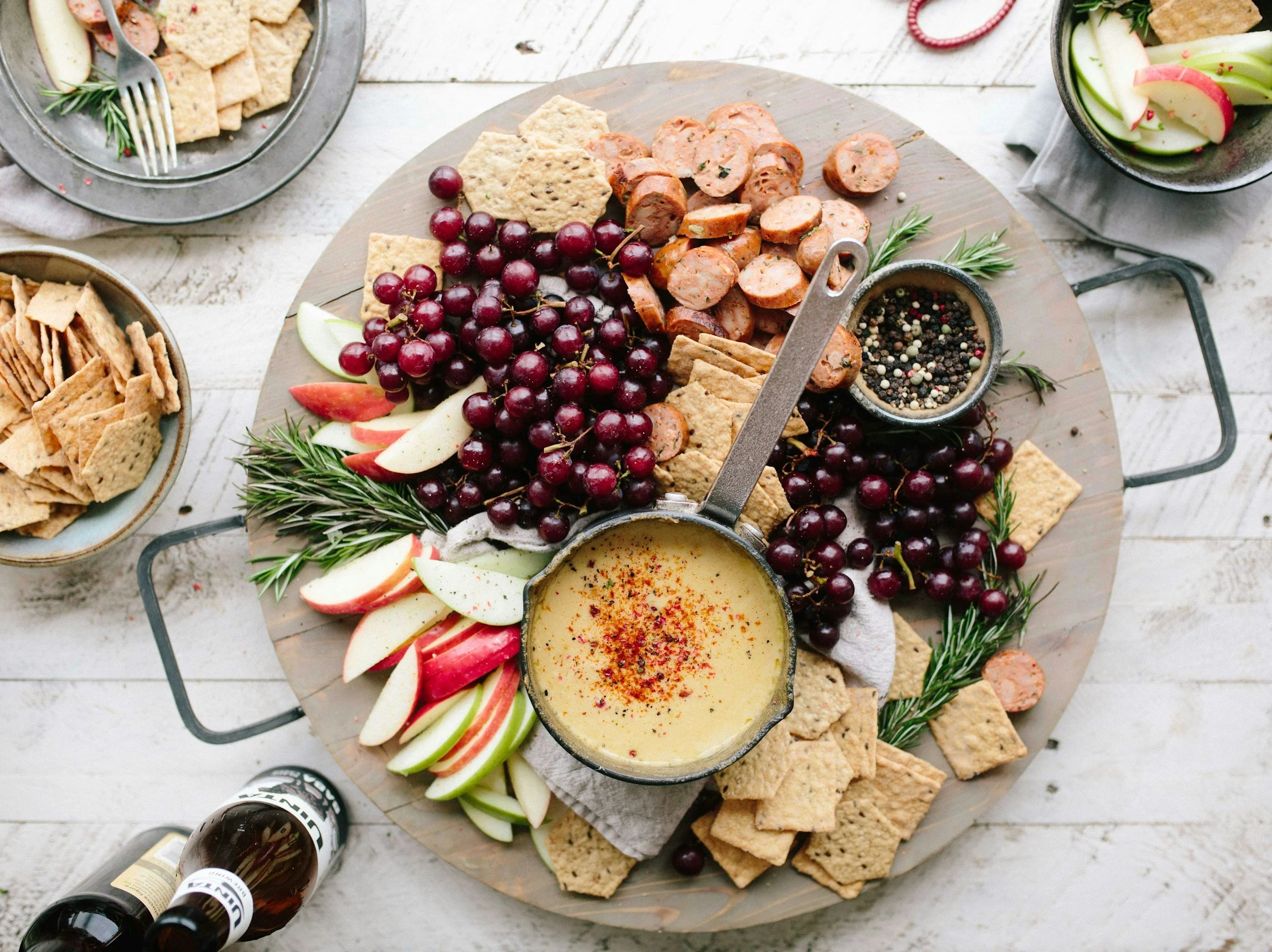
The Mediterranean diet is often praised as one of the healthiest ways to eat in the world — rich in vegetables, healthy fats, fresh herbs, fish, and simple, nourishing meals. But if you’re gluten free, you might wonder: Is the Mediterranean diet even possible without wheat, bread, and pasta?
The good news?
Not only is a gluten-free Mediterranean diet possible, it’s actually a very natural fit once you know how to approach it.
This guide will walk you through how to start a gluten-free Mediterranean diet step by step, what to focus on, what to avoid, and how to make it sustainable in real life.
What Is the Mediterranean Diet?
The Mediterranean diet is inspired by the traditional eating patterns of countries like Greece, Italy, Spain, and southern France. It focuses on:
Fresh vegetables and fruits
Olive oil as the main fat
Fish and seafood
Legumes, nuts, and seeds
Eggs, dairy (in moderation)
Herbs and spices instead of heavy sauces
Simple, minimally processed foods
At its core, it’s about whole foods, balance, and enjoyment, not restriction.
Is the Mediterranean Diet Naturally Gluten Free?
Many Mediterranean staples are naturally gluten free, but gluten sneaks in through foods like:
Bread and pita
Pasta and couscous
Bulgur and farro
Certain sauces or marinades
Once those are removed or swapped, the diet becomes very gluten-free friendly.
The key is to build your meals around foods that never contained gluten to begin with, rather than trying to recreate wheat-heavy dishes all the time.
Step 1: Focus on Naturally Gluten-Free Mediterranean Foods
Instead of thinking about what you can’t eat, start by filling your kitchen with foods that are already gluten free:
Vegetables & Fruits
Tomatoes, courgettes, aubergine, peppers
Leafy greens, onions, garlic
Citrus fruits, berries, apples, grapes
Proteins
Fish and seafood (salmon, sardines, tuna, prawns)
Eggs
Chicken and turkey
Lentils, chickpeas, white beans
Healthy Fats
Extra virgin olive oil
Olives
Nuts and seeds
Naturally Gluten-Free Carbohydrates
Potatoes and sweet potatoes
Rice
Quinoa
Polenta
These foods form the foundation of a gluten-free Mediterranean diet.
Step 2: Replace Gluten-Containing Staples the Smart Way
You don’t need to rely heavily on gluten-free replacement products, but when you want them, keep it simple:
Use gluten-free pasta made from rice or corn
Choose gluten-free bread for occasional meals
Swap couscous or bulgur for quinoa or rice
Use chickpea flour or almond flour for fritters and flatbreads
In Mediterranean eating, bread and pasta are not the centre of the plate — vegetables, protein, and olive oil are.
Step 3: Build Your Plate the Mediterranean Way
A simple gluten-free Mediterranean plate looks like this:
½ plate vegetables (raw, roasted, or sautéed)
¼ plate protein (fish, eggs, chicken, legumes)
¼ plate carbs (potatoes, rice, quinoa)
Drizzle generously with olive oil
Finish with herbs, lemon, garlic, or spices
This keeps meals balanced, satisfying, and naturally gluten free.
Step 4: Learn to Read Labels (Even on Mediterranean Foods)
Even foods that should be gluten free can contain hidden gluten. Always check:
Marinades and spice blends
Stock cubes
Sauces (especially soy sauce or dressings)
Processed meats or sausages
When in doubt, choose simple ingredients and cook more from scratch — which fits perfectly with Mediterranean cooking anyway.
Step 5: Eating Out on a Gluten-Free Mediterranean Diet
Mediterranean-style restaurants are often one of the easiest places to eat gluten free if you know what to ask for.
Look for:
Grilled fish or meat
Salads with olive oil and lemon
Vegetable-based dishes
Rice or potato sides
Ask about:
Breaded foods
Shared fryers
Sauces and marinades
Simple, grilled, and fresh is usually your safest choice.
Step 6: Make It a Lifestyle, Not a Diet
The beauty of a gluten-free Mediterranean diet is that it’s:
Flexible
Family-friendly
Easy to adapt
Focused on enjoyment
You don’t need perfection. Start with small changes:
Cook with olive oil instead of butter
Add more vegetables to every meal
Eat fish a few times a week
Reduce reliance on gluten-free ultra-processed foods
Consistency matters more than strict rules.
Final Thoughts
Starting a gluten-free Mediterranean diet doesn’t mean giving up flavour, culture, or comfort. In fact, it often means eating better, simpler, and more enjoyably.
By focusing on whole foods, fresh ingredients, and traditional Mediterranean principles, you can create meals that support your health — without gluten and without stress.
If you’re looking for gluten-free Mediterranean-style recipes, simple meal ideas, and practical guidance, you’re in the right place 💛